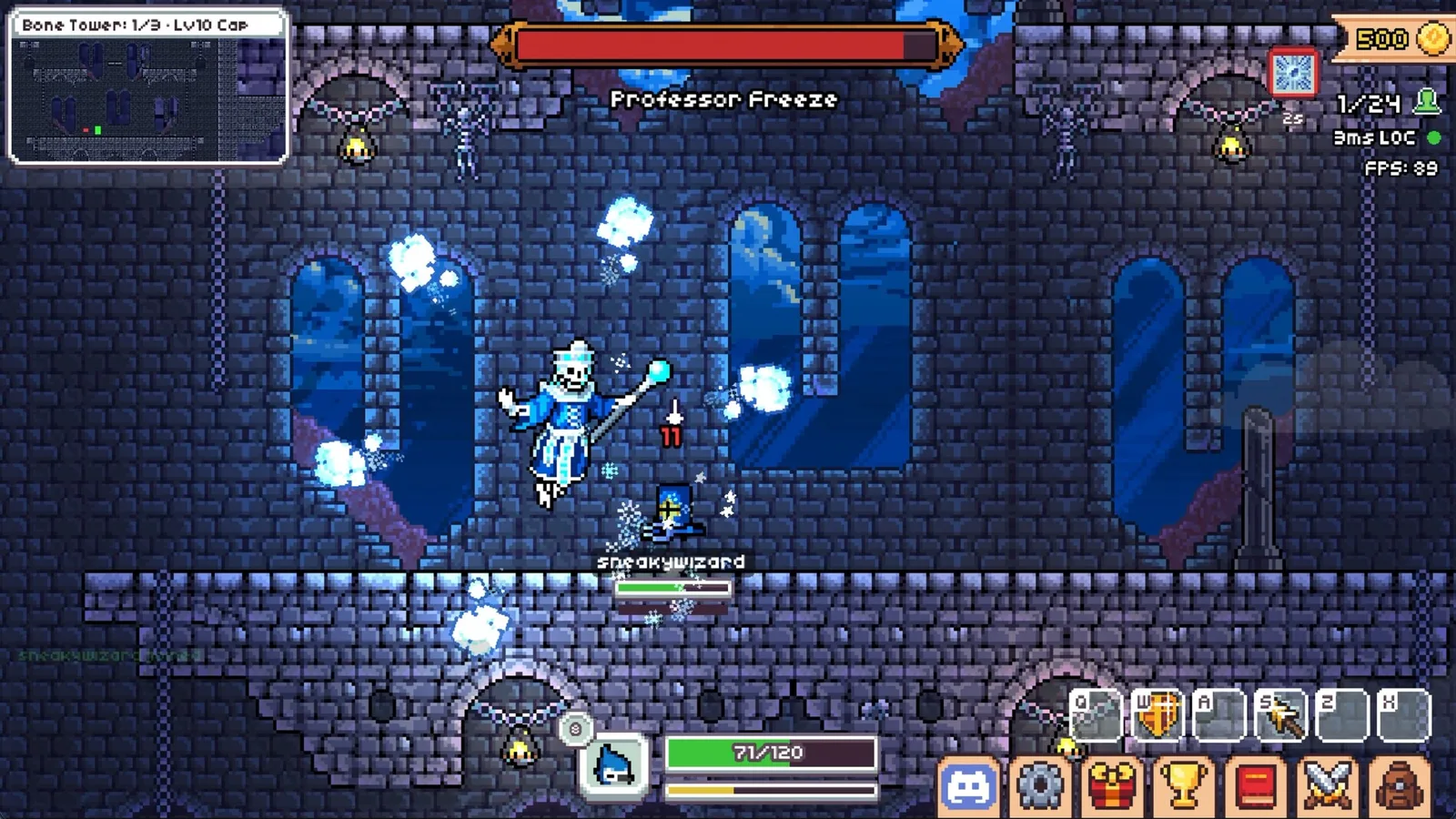
A Phaser multiplayer game works best when the browser only draws and sends input, and a server decides what really happens. SpringTale, a 2D roguelike platformer MMO by solo developer Edward Vercoe, uses exactly that split: Phaser on the client, Colyseus on the server, and TypeScript on both sides.
Below you will find what SpringTale is, how its shared world, daily maps and permadeath fit together, and seven practical lessons you can apply to your own multiplayer web game, even a tiny one.
SpringTale at a glance
| Game | SpringTale, a 2D roguelike platformer MMO |
| Developer | Edward Vercoe, a mobile app and web developer from Sydney, Australia |
| Tech | Phaser (client), Colyseus (server), TypeScript everywhere |
| Development started | February 2026, built before and after a full-time remote job |
| Platforms | Windows and macOS on Steam |
| Release | The Steam page lists January 2027 (earlier plans pointed to December 2026) |
| Languages on Steam | English, German, Japanese, Korean, Brazilian Portuguese, Russian, Simplified Chinese, Latin American Spanish |
| Minimum PC | 64-bit Windows 10, 2 GB RAM, integrated graphics, 500 MB of space, broadband connection |
The official SpringTale Steam page is the best place to wishlist it and to check the current release date.
What kind of game is SpringTale?
SpringTale mixes two genres that rarely meet. From roguelikes it takes permadeath and tough, pattern-based combat; Vercoe names Vagante as one of his favourite games and a big influence. From classic MMOs such as RuneScape, MapleStory and Ragnarok it takes a persistent shared world where you bump into strangers, team up and hang out in town.
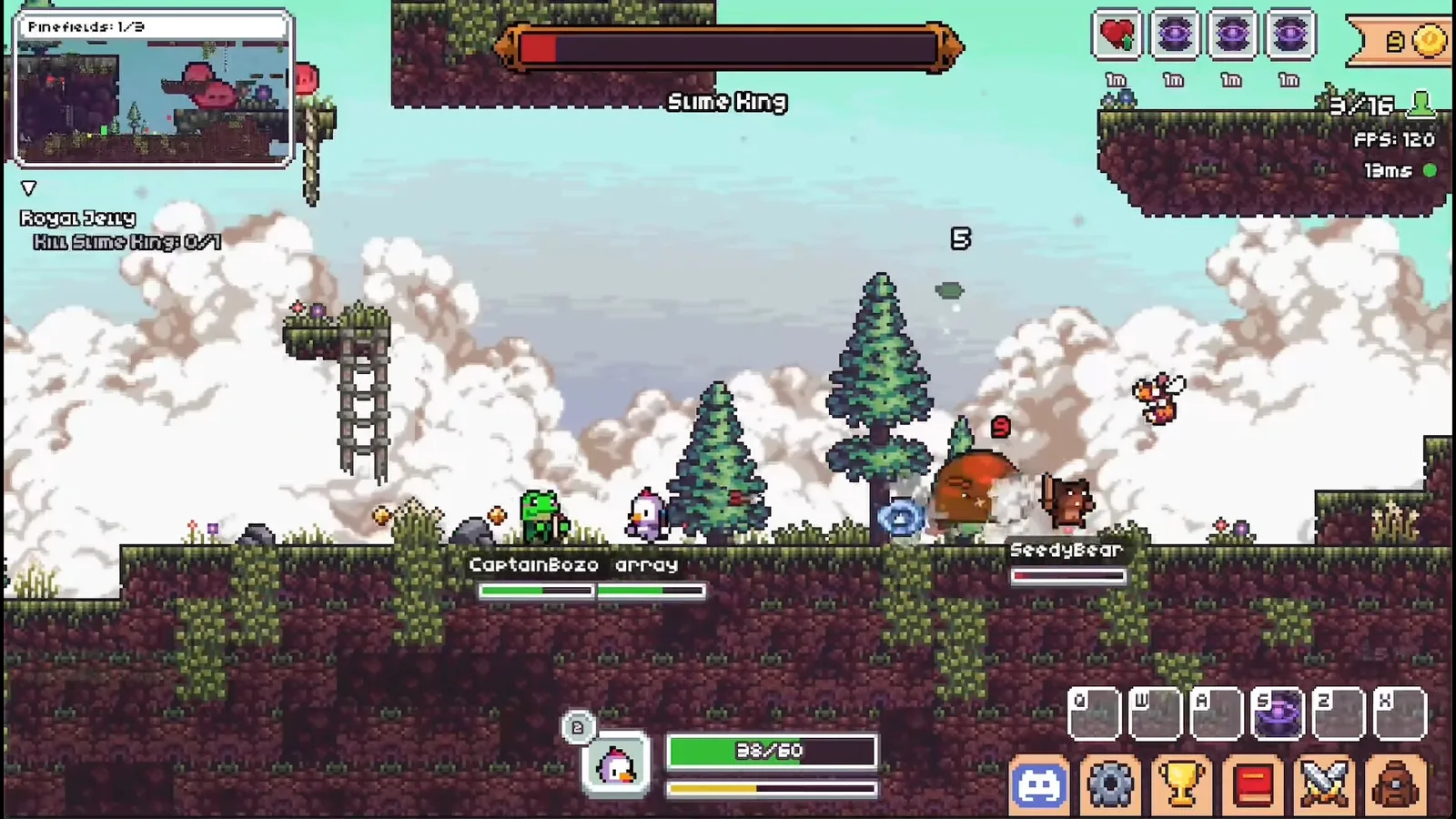
Most roguelikes are balanced for one player or a small party of about four. SpringTale is designed so that around a dozen players can share the same area, and it deliberately rewards cooperation, for example when several people take on a boss at once.
Three rules shape every run:
- No classes. Your equipment is your class. Weapons, armour and accessories grant abilities, passive skills and stats.
- Daily maps. Maps are procedurally generated and refresh every 24 hours, with new layouts, events and encounters.
- Permadeath with a safety net. When your character dies, it is gone and its equipped items drop for other players to find. Anything you stored in your vault stays yours.
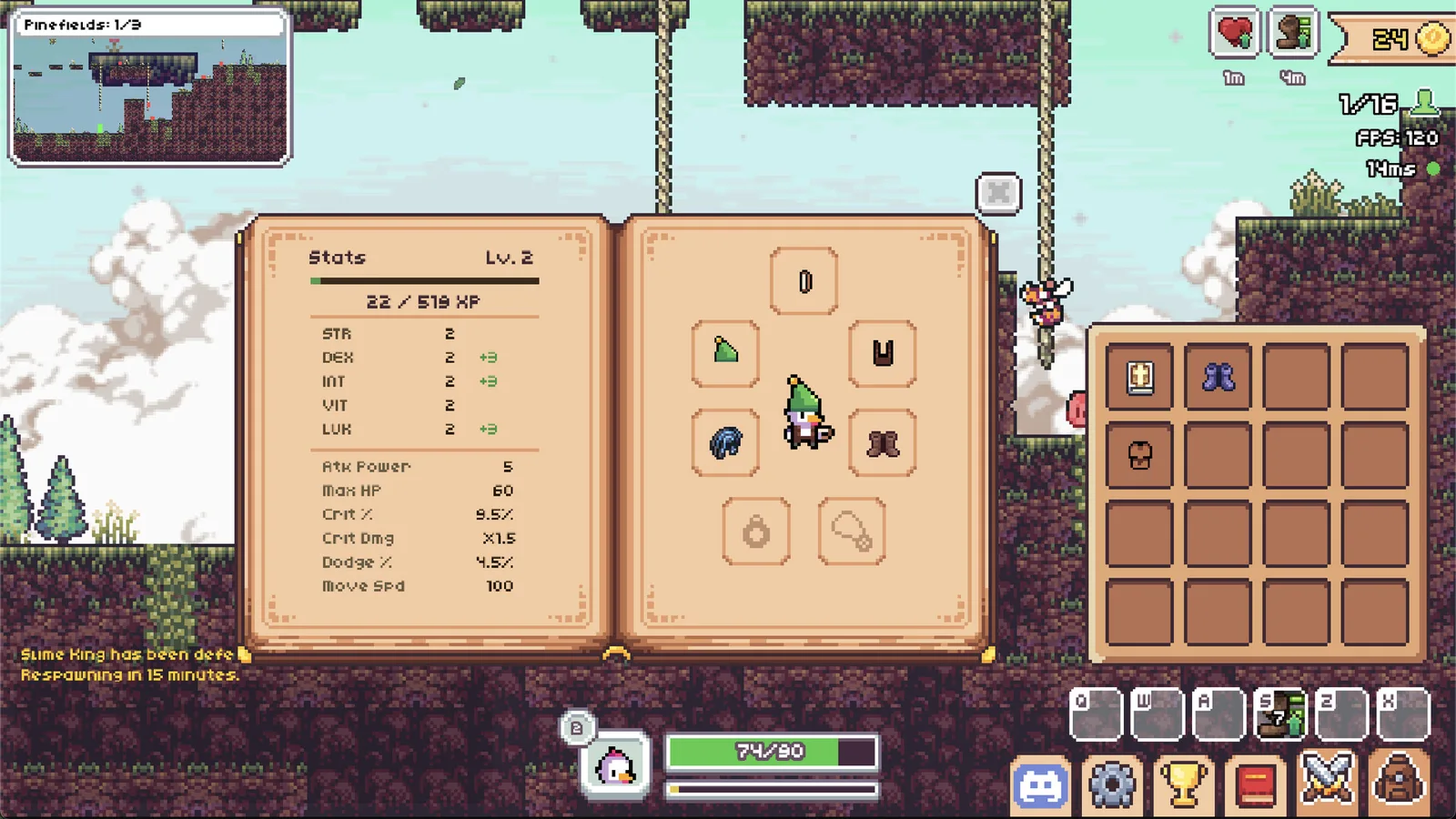
How the Phaser + Colyseus stack splits the work
Vercoe chose the pair for one simple reason: both let him write TypeScript, the language he already uses every day at work. Phaser handles everything on the client, while Colyseus manages the multiplayer state and the game simulation on the server.
| Layer | Tool | Job in a multiplayer web game |
|---|---|---|
| Client (browser) | Phaser | Draws sprites, animations, camera, UI; reads keyboard or touch input; plays sound |
| Server | Colyseus (Node.js) | Runs rooms, simulates the shared world, decides hits, loot and deaths |
| Link between them | Colyseus state sync | Sends state changes from the server to every client in the room |
| Language | TypeScript | One language, shared data types on both sides |
| Desktop build | GemShell | Packages the web game for Windows and Mac and ships it to Steam |
This is the “server-authoritative” model. The browser can show your jump immediately so the game feels responsive, but the server is the one that says whether you hit the boss or picked up the sword first. With twelve people in one area, that single source of truth prevents arguments between clients.
On performance, Vercoe’s experience is reassuring for web developers: he says he has not had real problems rendering lots of players or entities in Phaser.
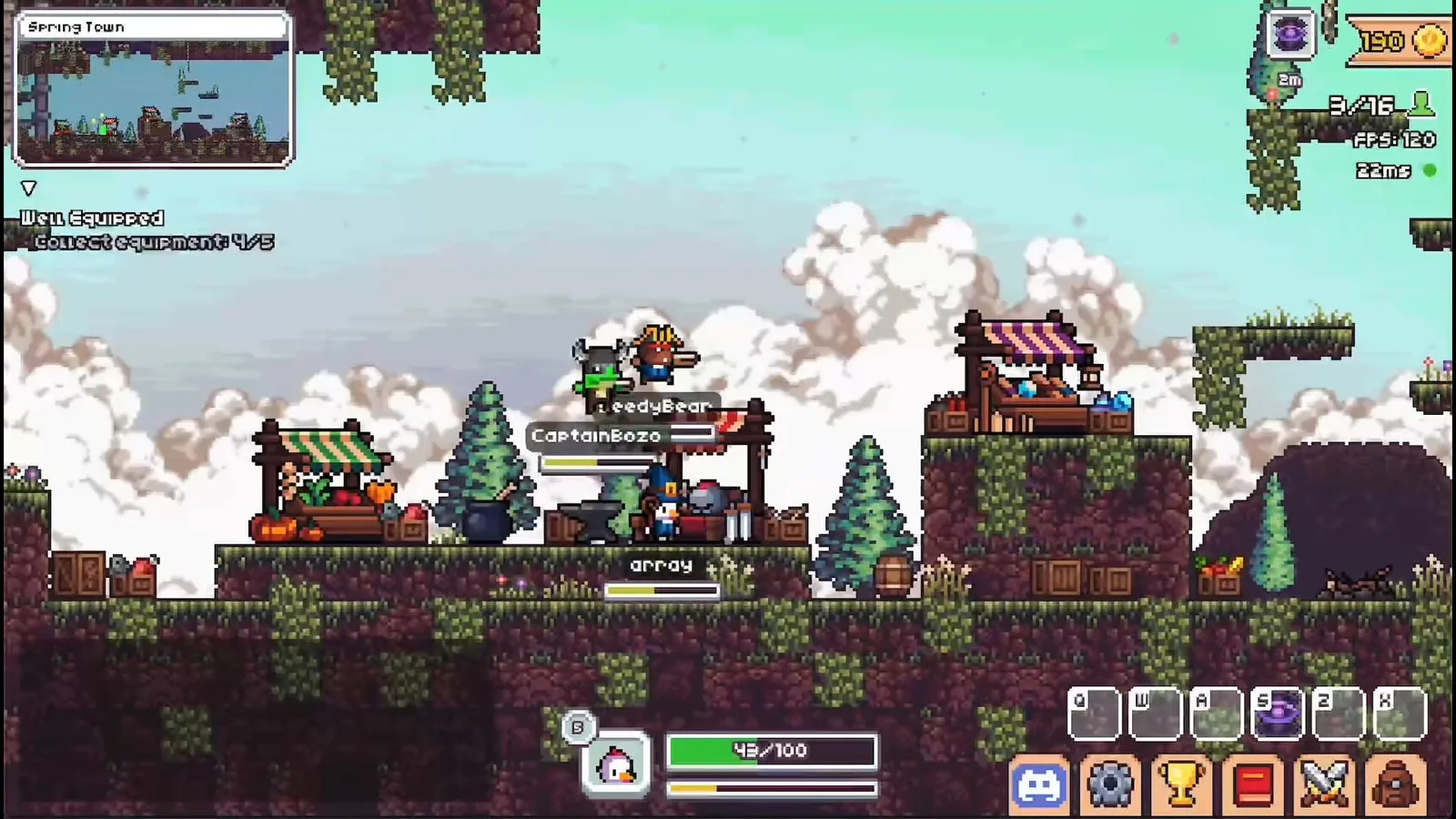
Daily maps made from hand-designed chunks
“Procedurally generated” does not have to mean fully random. SpringTale builds each day’s maps from hand-designed chunks that are stitched together at their entrance and exit points. Every chunk is guaranteed to be playable and good-looking because a human made it; variety comes from the order and combination.
The trade-off, in Vercoe’s words, is that you need a lot of chunks for a large enough pool. For a small team this is still a friendly approach: you can start with ten chunks, ship, and keep adding more.
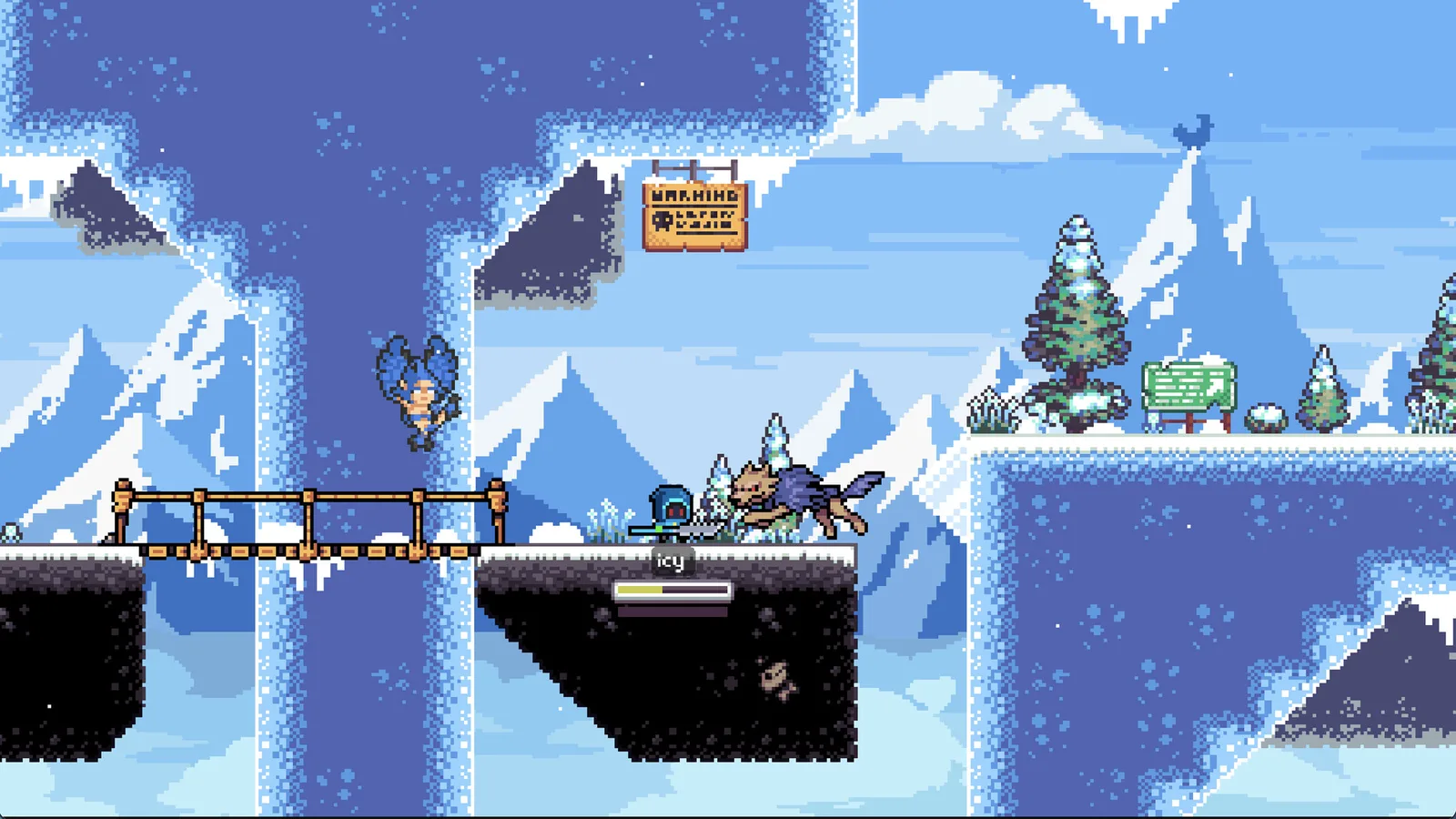
Making permadeath fair in a shared world
Losing everything in a game that never stops can feel brutal. SpringTale softens it in two ways. First, knowledge carries over: every death teaches you an enemy’s attack pattern or which skills suit a build, so players are encouraged to think “now I know what to do here” rather than “all my progress is lost”. Second, the vault keeps valuable gear safe, which lets players experiment with weapons and playstyles.
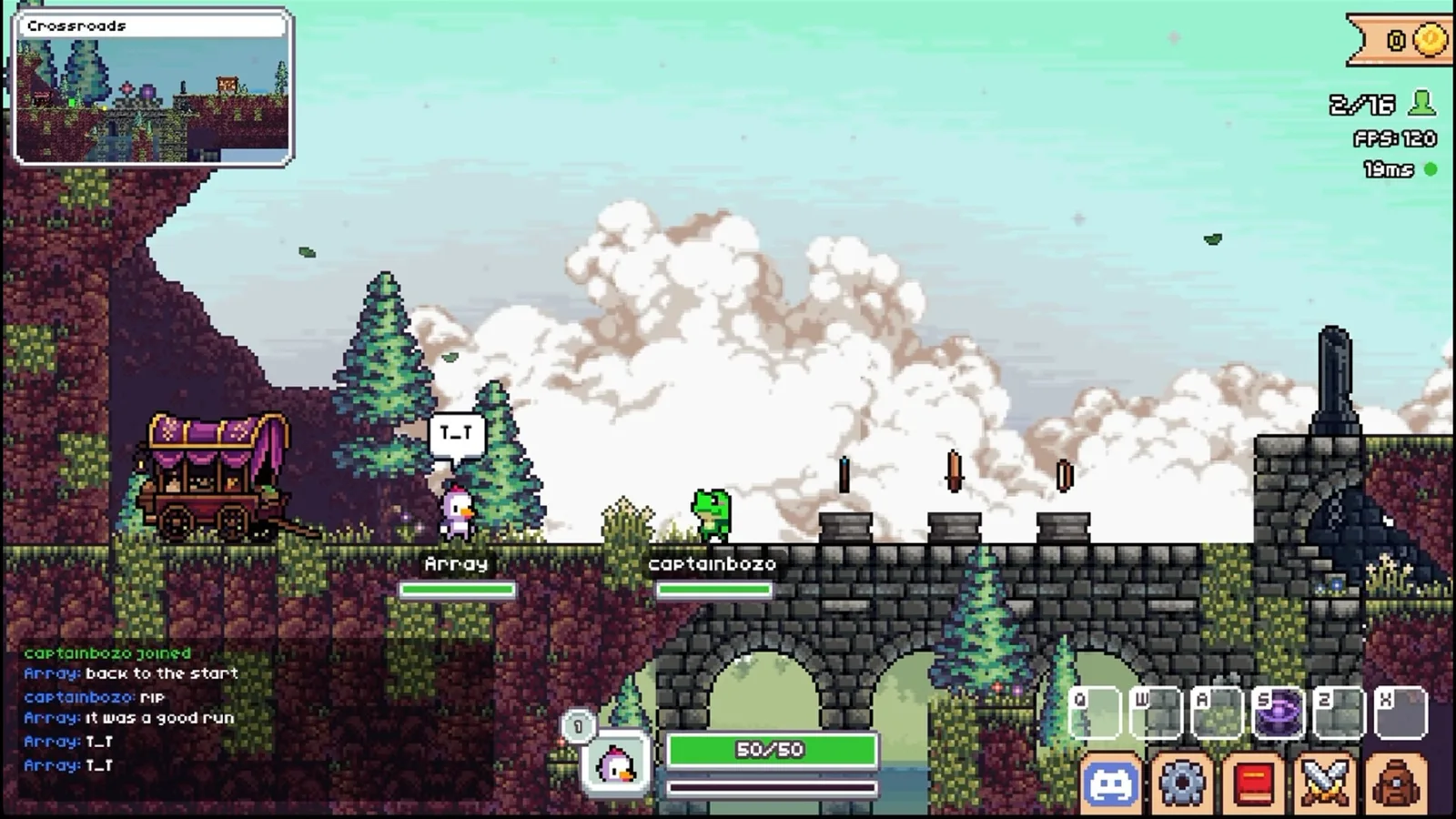
This creates a nice decision for players: carry a great item to get stronger now, or bank it for the next run. The walk back to safety becomes part of the tension.
7 lessons for your own Phaser multiplayer game
You do not need to build an MMO to use these ideas. A two-player co-op puzzle or a small party game faces the same problems.
- Pick one language for both sides. TypeScript on client and server lets you share types for players, items and messages, and you only debug one ecosystem.
- Let the server decide, let the client feel. Show movement instantly in Phaser, but treat hits, loot and deaths as server decisions. Colyseus’s own Phaser tutorial walks through this in steps: basic movement, linear interpolation, client-predicted input and a fixed tick rate.
- Keep the shared state small. Sync what other players must see (position, animation, health, dropped items), not every particle or UI detail.
- Use hand-made chunks before full procedural generation. You get variety without broken levels, and you can grow the pool after launch.
- Make loss clear before it happens. Show what is carried and what is stored, so a death feels understandable, not unfair.
- Test with real people early. Vercoe balances the game with a community of dedicated playtesters. Ask two testers to grab the same item, enter an area at different times and disconnect mid-fight; also try one slow connection.
- Plan your desktop build early. A tool such as GemShell can wrap a web game for Windows and Mac and help ship it to Steam, so your browser game can also have a store page.
Where to start with Colyseus
The official Colyseus documentation is the place to begin; at the time of writing it covers version 0.18. Useful pages for a first project are the Phaser tutorial, rooms and their lifecycle, state synchronisation with schemas, reconnection handling and load testing. Follow the current docs instead of older blog posts, because the API changes between versions.
A simple path for a first test:
- Create a Colyseus server with one room type.
- Add a Phaser scene that joins the room and draws one sprite per connected player.
- Send only input (left, right, jump) from the client.
- Move players on the server at a fixed tick and let clients smooth positions.
- Open two browser windows and play against yourself.
Can you play SpringTale?
SpringTale is coming to Steam for Windows and macOS. A browser demo was live during Steam Next Fest in October 2026; when we checked on 23 November 2026 the demo address was offline, so look at the official SpringTale website or the Steam page for the current way to try it.
FAQ
What is SpringTale?
A 2D roguelike platformer MMO by Edward Vercoe. Players share one world, team up against bosses, find gear that defines their abilities and lose their character on death, except for items stored in the vault.
What engine does SpringTale use?
The client is built with Phaser, a JavaScript/TypeScript framework for 2D web games. The server uses Colyseus, a multiplayer framework for Node.js.
Is Phaser good for multiplayer games?
Phaser handles the rendering and input side well; SpringTale’s developer reports no real problems drawing many players and entities. For networking you add a server framework such as Colyseus.
When does SpringTale come out?
The Steam store page currently lists January 2027 for Windows and macOS. Earlier plans mentioned December 2026, so check the Steam page for the latest date.
Do I need to know a second language to make a multiplayer web game?
No. With Phaser and Colyseus you can write both client and server in TypeScript, which is exactly why SpringTale’s developer chose them.