
Between the ages of 5 and 8, most children move from reciting “one, two, three” to actually understanding what numbers mean: which one is bigger, what comes next, how to put two small amounts together. Worksheets help, but games usually help more. A child who pushes away a second worksheet will happily play the same game twenty times in a row.
All ten games below use things most homes already have: chalk, dice, a deck of cards, paper and a pen. For each one you’ll find how to play, what it practices, and a harder version for when your child is ready.
Quick overview
| # | Game | You need | Practices | Age |
|---|---|---|---|---|
| 1 | Number hopscotch | Chalk, a small stone | Counting, number order | 5+ |
| 2 | Number scavenger hunt | Nothing | Spotting numbers in daily life | 5+ |
| 3 | Find the numbers 1 to 100 | Paper, pen | Visual search, order to 100 | 6+ |
| 4 | Dice race | 2 dice, paper | Adding small numbers | 5+ |
| 5 | Number war | Cards | Comparing numbers | 5+ |
| 6 | Clothesline number line | String, pegs, cards | Ordering, missing numbers | 5+ |
| 7 | Pretend shop | Coins, toys | Adding, making change | 6+ |
| 8 | Clap and count | Nothing | Skip counting | 6+ |
| 9 | Guess my number | Nothing | Bigger or smaller, logic | 6+ |
| 10 | Number bingo | Paper, pen, buttons | Reading numbers quickly | 6+ |
1. Number hopscotch
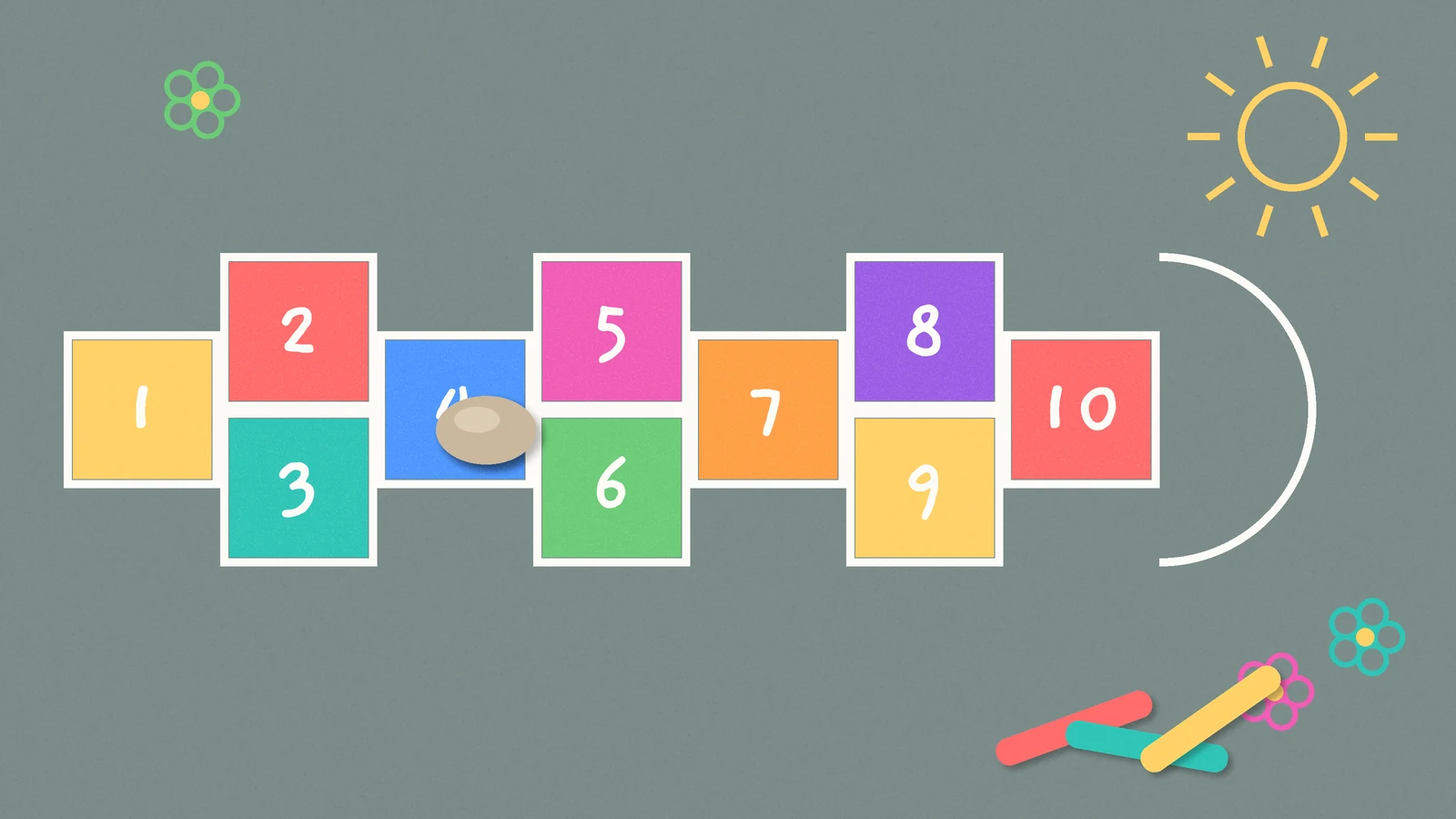
How to play: Draw a hopscotch grid with chalk and write the numbers 1 to 10 in the squares. Your child tosses a small stone into square 1, hops through the whole grid while skipping that square, then picks up the stone on the way back. Next turn, the stone goes to square 2, and so on up to 10.
What it practices: saying numbers in order while the body is moving. For many children, counting sticks much better this way than sitting at a table.
Harder version: write 10, 20, 30 up to 100 in the squares, or ask your child to call out the number of each square plus one as they land.
2. Number scavenger hunt
How to play: Give a simple mission, such as “find three things with the number 5 on them”, and let your child search the house or the street. Clocks, house numbers, the TV remote, calendars, price tags and bus numbers all count.
What it practices: noticing that numbers are everywhere, and reading them in many different sizes and fonts.
Harder version: hunt for numbers in order, from 1 to 20, one object per number. This works especially well on walks.
3. Find the numbers 1 to 100 on paper
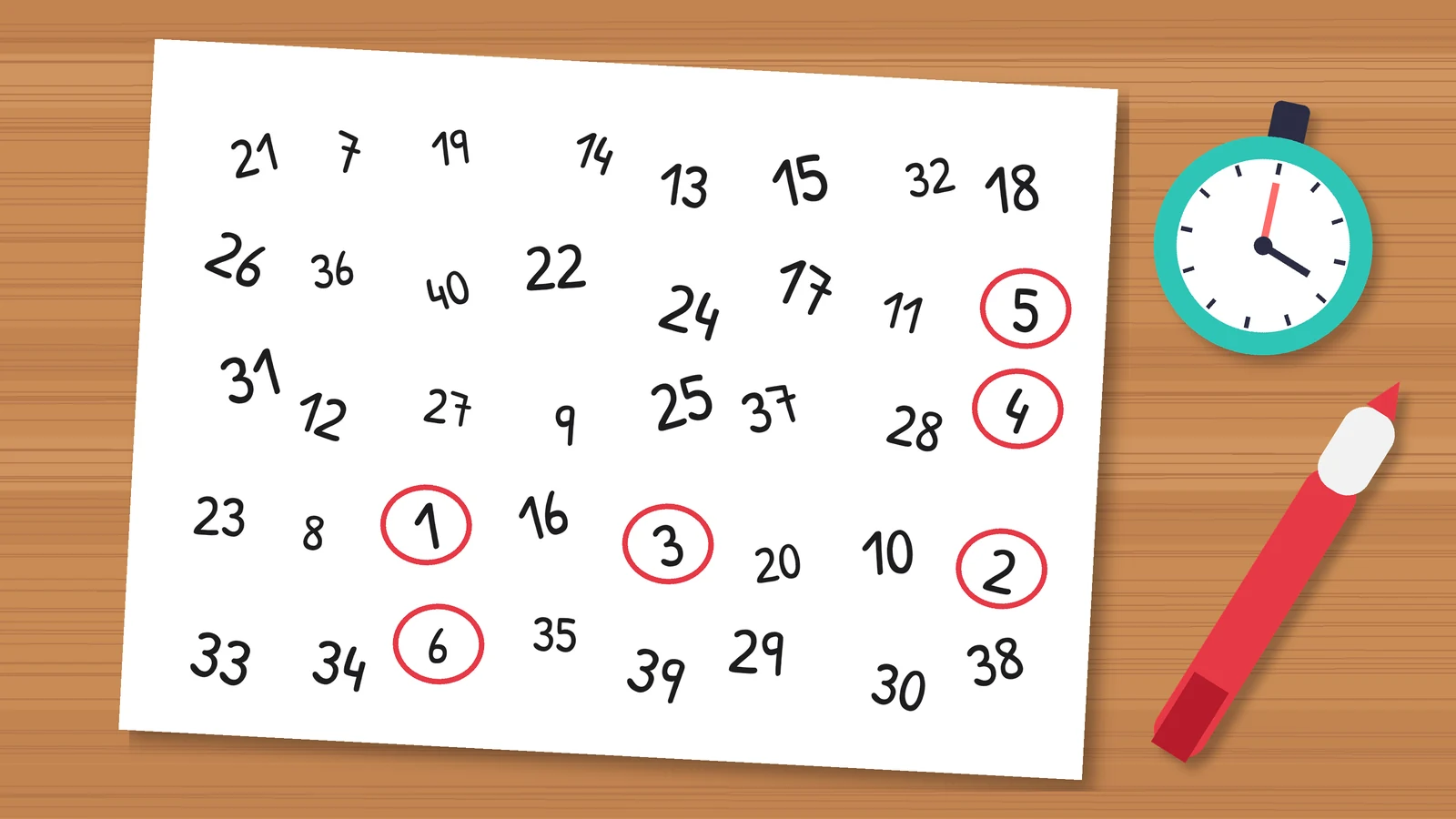
How to play: Write the numbers 1 to 100 (or 1 to 40 for younger children) scattered all over a sheet of paper, in different sizes and at different angles. Your child circles them in order: 1, then 2, then 3, and so on. Add a timer if they enjoy a challenge.
What it practices: scanning a page patiently, recognizing two-digit numbers, and keeping track of where they are in a long sequence.
Harder version: make two identical sheets and race each other, or mix several ink colors so children can’t rely on color to find the next number.
Writing 100 scattered numbers by hand takes about ten minutes. On days when some screen time is allowed, VENO 1-100 is a free browser version of this exact game, with a new board every round and a two-player mode where kids race each other on the same device.
4. Dice race
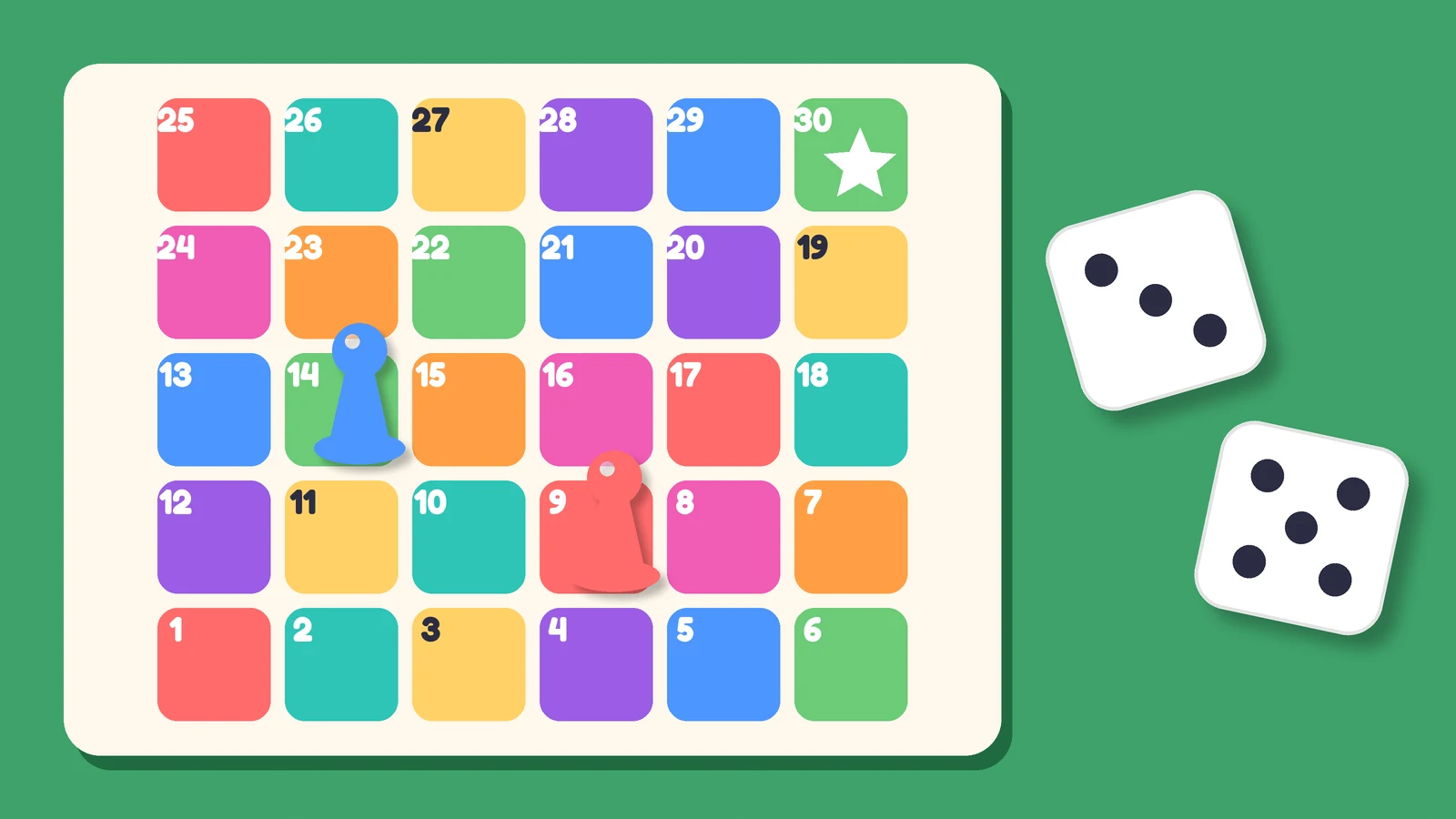
How to play: Draw a track of 30 squares on paper; a zigzag shape fits nicely on one page. Each player rolls two dice, adds the numbers and moves that many squares. The first to reach 30 wins.
What it practices: adding two numbers up to 12, and counting on from the current square instead of starting again from 1.
Harder version: add a rule such as “landing on a multiple of 5 means moving back two squares”.
5. Number war
How to play: Use a deck of playing cards with the picture cards removed, or make your own cards numbered 1 to 20. Split the cards between two players. Both flip one card at the same time, and the bigger number wins both cards. In a tie, each player puts three cards face down and flips a fourth.
What it practices: comparing numbers quickly.
Harder version: each player flips two cards and adds them; the bigger sum wins. For 7 and 8 year olds, try the difference between the two cards instead.
6. Clothesline number line
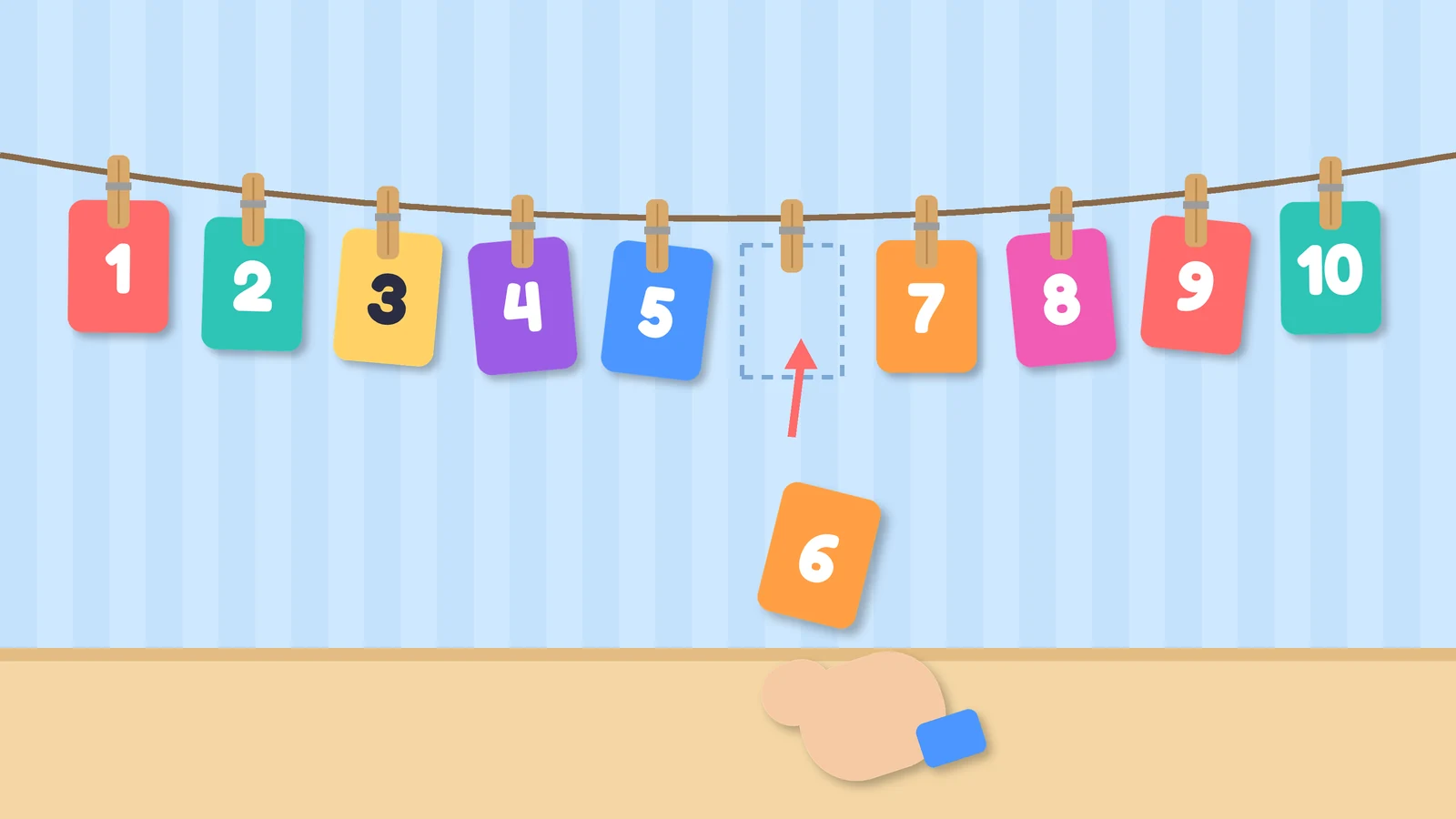
How to play: Tie a string between two chairs and clip cards numbered 1 to 10 (or 1 to 20) along it in order. While your child closes their eyes, take one card away. They open their eyes, work out which number is missing and put it back in the right place.
What it practices: number order, and what comes before and after each number.
Harder version: use tens (10, 20, 30…), or hand over the whole set shuffled and let your child build the line from scratch.
7. Pretend shop
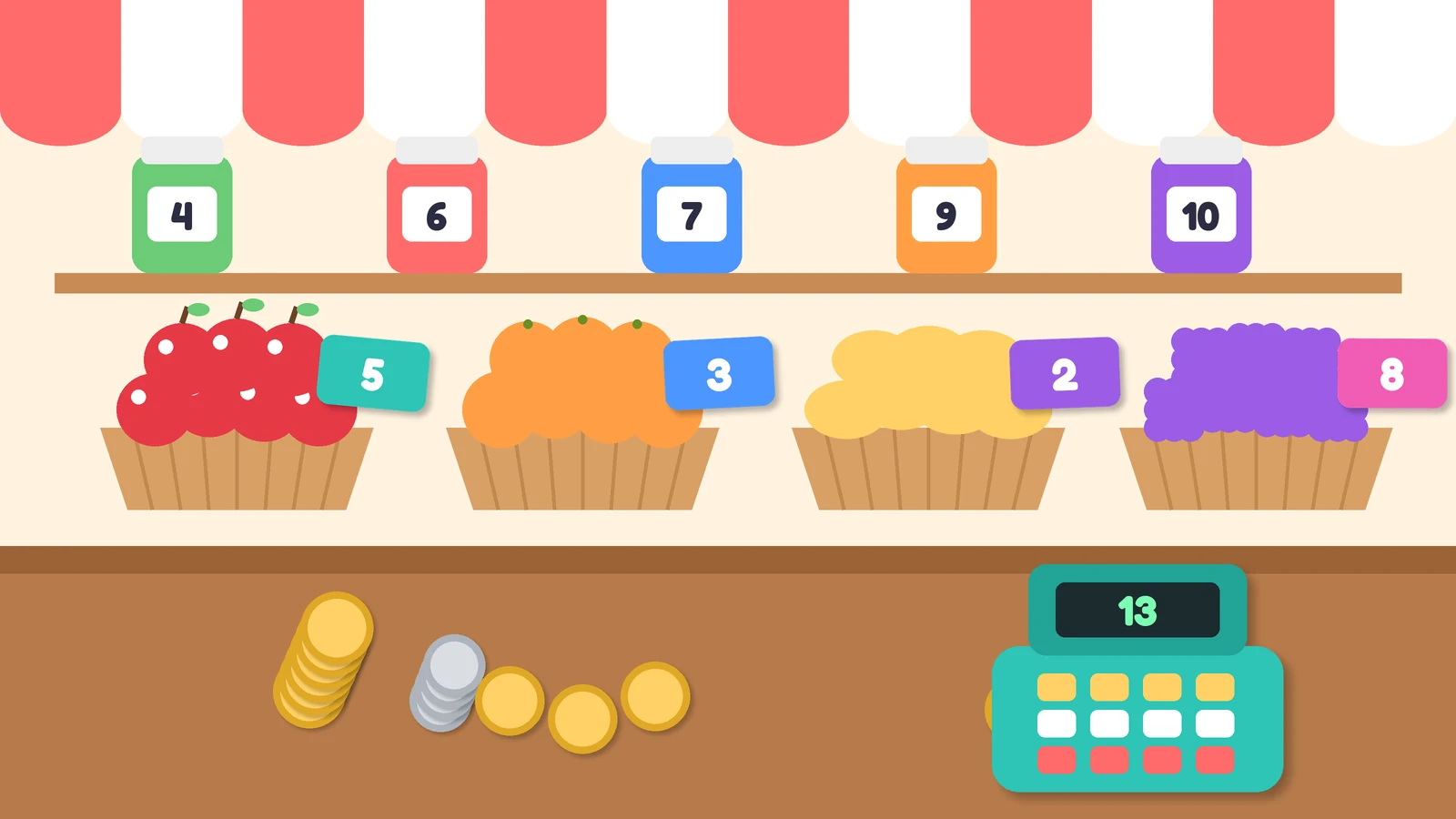
How to play: Put price tags from 1 to 10 on toys, fruit or snacks. Give your child a handful of coins. They pick two items, add up the price and pay you as the shopkeeper. Then swap roles and let them give you change.
What it practices: adding, counting money, and subtraction through giving change.
Harder version: set a budget, for example “you have 15, what can you buy?”, and let your child find several combinations.
8. Clap and count
How to play: Count out loud together, but clap only on certain numbers. Start with every second number (2, 4, 6…), then every fifth (5, 10, 15…).
What it practices: skip counting, which later becomes the base for multiplication tables.
Harder version: whisper the numbers in between and only say the clapped numbers out loud, or stomp on every third number.
9. Guess my number
How to play: Think of a number between 1 and 20. Your child guesses, and you only answer “higher” or “lower”. Count how many guesses it takes, then swap roles.
What it practices: comparing numbers, understanding a range, and early strategy. Children soon discover that guessing the middle of the range is the smartest move.
Harder version: use 1 to 100. This one is a great game for car trips.
10. Number bingo
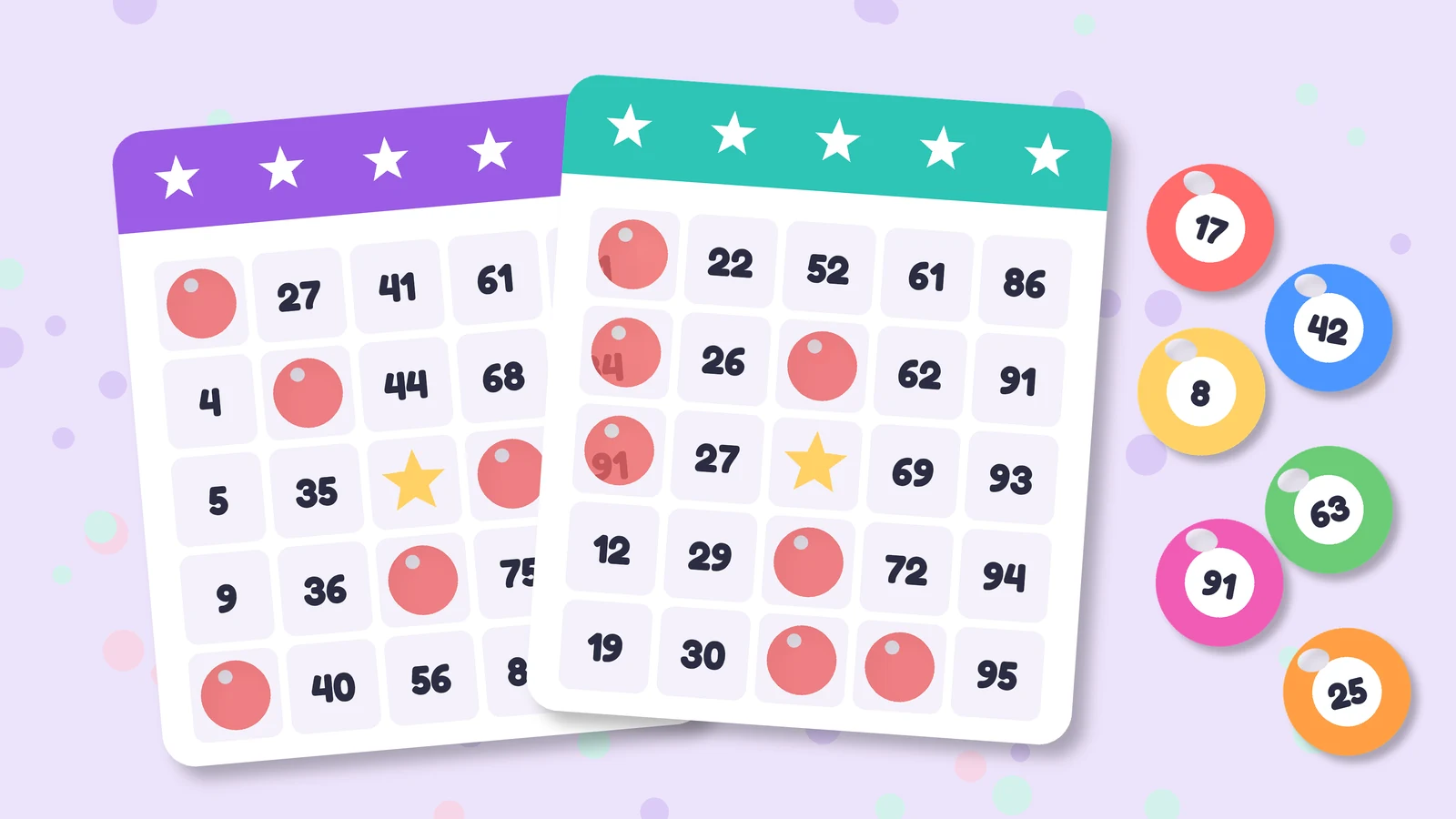
How to play: Each player draws a 5×5 grid and fills it with numbers, 1 to 30 for younger children and up to 100 for older ones. One person draws numbers written on scraps of paper from a bowl and reads them out. Players cover matching numbers with buttons. The first to complete a row wins.
What it practices: recognizing and reading numbers quickly.
Harder version: call out a small sum instead of a number (“7 plus 5”) and let players cover the answer.
Tips for parents
- Keep it short. Ten to fifteen minutes is enough. Stop while your child is still enjoying it, so they want to play again.
- Choose by age. Five-year-olds usually enjoy games 1, 2, 5 and 6 first. Seven and eight year olds like games 3, 7, 9 and 10, especially the harder versions.
- Talk about strategy. Ask “how did you find that one so fast?” Explaining their thinking is part of the learning.
- Watch small items. Dice, buttons and coins need supervision when younger siblings are around.
Frequently asked questions
Which number games are best for a 5-year-old?
Start with number hopscotch, the scavenger hunt, number war with small numbers and the clothesline up to 10. They use numbers under 20 and involve a lot of movement.
Do these games replace school math?
No. They are a relaxed way to practice what children learn at school, and they make repetition feel like play.
How often should we play?
A few short sessions a week work better than one long session.
Can several children play together?
Yes. Most of these games work for 2 to 4 players, and dice race and bingo work for even bigger groups.
Pick one game tonight, keep the rules simple, and let your child decide whether to try the harder version next time.